
Products
- Home
- Products
- Machine work light
- Machine work light
Machine work light
Machine work light
- What is a Machine Work Light?
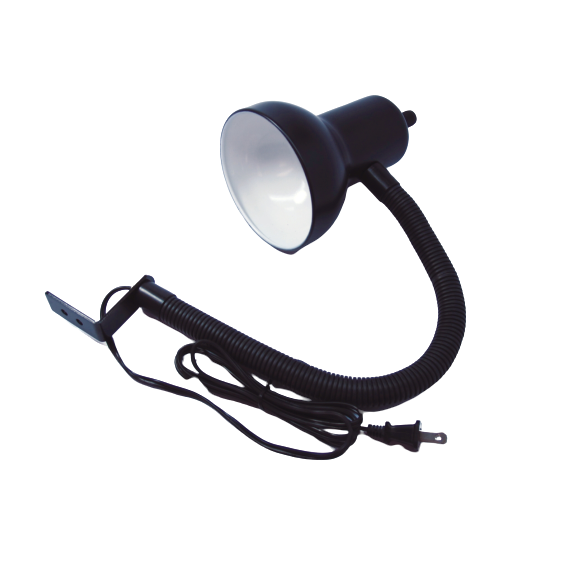
- Our Machine Work Light is a robust, practical lighting solution designed for the harsh environments of metalworking. Primarily used on lathes, milling machines, and drilling machines, it provides focused, clear illumination exactly where the tool meets the workpiece.
- Featuring a flexible metal gooseneck (hose) and a universal E27 socket, this lamp is the go-to choice for upgrading legacy equipment or providing supplemental lighting. Its L-shaped mounting bracket allows for rapid installation without complex modifications, instantly improving operator safety and machining precision.
- Engineering Focus: Flexibility & Industrial Durability
- Adjustable Metal Gooseneck: The high-quality metal hose structure allows for precise, 360-degree angle adjustments. It is designed to maintain its position even under machine vibrations, ensuring consistent focal lighting.
- Rugged Metal Housing: The lamp head is constructed from metal with an electroplated black anti-rust finish, offering superior heat dissipation and durability compared to plastic alternatives.
- Universal E27 Compatibility: Designed for standard E27 bulbs (incandescent or LED), making maintenance low-cost and replacements readily available worldwide.
- L-Shaped Rapid Mount: The integrated L-bracket simplifies the mounting process, allowing the light to be secured to the machine frame or splash guard in minutes.
- Eliminate Blind Spots with Rapid Setup
- Poor lighting leads to measurement errors and safety risks. Our technical team can provide bulk quotes and lead times for standard work lights within 24-48 hours.
- Simplify Your Retrofit: Whether you are equipping a single manual lathe or a fleet of drilling machines, our L-bracket design ensures a universal fit.
- Discuss Your Power Constraints: We help you confirm voltage compatibility (110V/220V) to ensure the light integrates safely with your machine’s power supply.
- Rapid Response Cycle: Simply provide your quantity and required gooseneck length, and we will deliver a formal quote quickly.
- FAQ | Common Issues with Equipment Work Lights
- Q: Is the gooseneck strong enough to withstand vibration?
- A: Yes. Our metal hose is engineered with sufficient tension to hold the lamp head steady during standard machining operations.
- Q: Can I use LED bulbs in this fixture?
- A: Absolutely. While designed for E27 incandescent bulbs, it is fully compatible with energy-efficient E27 LED bulbs.
- Q: Is the lamp waterproof?
- A: The lamp is designed for general metalworking. For environments with extreme, direct high-pressure coolant spray, please consult us for specialized sealed models.
- ⚡ For a Rapid Quote (Response within 24-48 hours):
- To help us provide the correct configuration for your equipment in the first reply, please provide:
- 1. Electrical Requirements: Operating Voltage: (e.g., 110V, 220V, or 24V DC).
- 2. Plug Type: (Standard plug or bare wires for direct machine connection).
- 3. Gooseneck Length:(e.g., Standard length or specific required reach in mm).
- 4. Installation Method:(e.g., L-shaped bracket or Magnetic base).
- 5. Quantity:(e.g., Single unit for trial or Bulk order).
- 6. Technical Support Needs: Do you require a Dimensional Drawing of the L-bracket for mounting verification?
(2).png)