
Products
Others
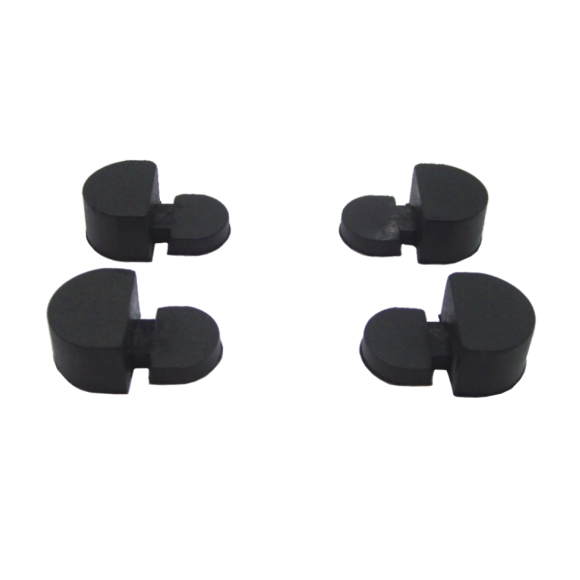
Anti-noise rubber
- What is Anti-noise Rubber?
- Anti-noise Rubber (also known as Vibration Isolation Pads) is a high-density, resilient elastomer engineered to intercept and dampen mechanical vibrations. Designed for CNC machine tools, heavy presses, and automated assembly lines, these pads act as a structural buffer between the equipment and the floor.
- By absorbing kinetic energy, they effectively eliminate structural noise, prevent equipment "walking" (shifting during operation), and protect sensitive internal electronics from high-frequency vibration interference.
- Engineering Focus: Damping & Load Stability
- High-Density Energy Absorption: Formulated from specialized rubber compounds that dissipate energy across their entire surface, significantly reducing decibel levels in the workshop.
- Superior Load-Bearing Capacity: Engineered to withstand the static and dynamic loads of heavy machinery without permanent deformation (compression set), ensuring long-term leveling stability.
- Oil & Chemical Resistance: Unlike standard rubber, our anti-noise pads are resistant to industrial coolants and lubricants, making them ideal for placement directly beneath metal-cutting equipment.
- Non-Slip Surface Geometry: Features a textured or ribbed surface design that increases friction, preventing machine movement and eliminating the need for aggressive floor anchoring in many applications.
- Stabilize Your Precision with Rapid Feedback
- Excessive vibration leads to poor surface finishes and tool wear. Our technical team can recommend the optimal pad thickness and hardness for your machine's weight within 24-48 hours.
- 1. Solve Your Design Constraints: Dealing with a top-heavy machine or uneven floor loading? Our engineers specialize in reviewing weight distribution (kg/cm^2) to ensure the pads provide balanced support.
- 2. Rapid Response Cycle: We value your operational health. Simply provide your equipment weight and footprint, and we will deliver a formal proposal quickly.
- FAQ|Common Issues with Anti Noise Rubber
- Q: How do I choose the right thickness?
- A: Thickness depends on the vibration frequency and machine weight. Generally, thicker pads provide better damping for low-frequency vibrations.
- Q: Do these pads require adhesive to the floor?
- A: In most cases, no. The high-friction coefficient of the rubber prevents shifting. However, for high-impact machines (like punch presses), additional securing may be discussed.
- Q: Can they be used outdoors?
- A: Yes, we offer EPDM-based options for excellent weather and UV resistance.
.jpg)
(3).png)