
Products
- Home
- Products
- Rubber strips
- Rubber seal strips
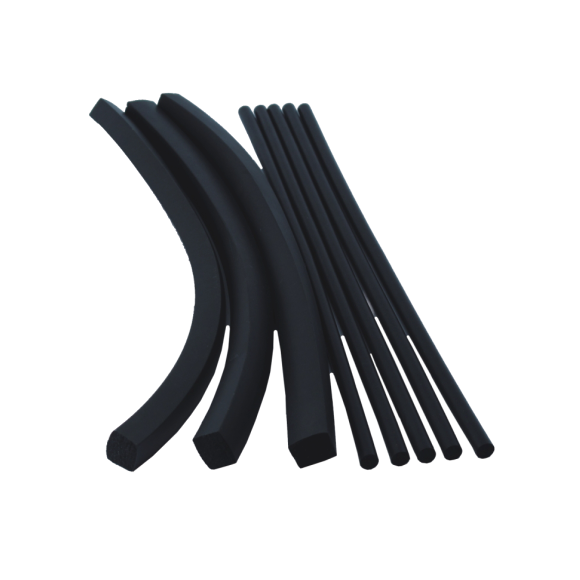
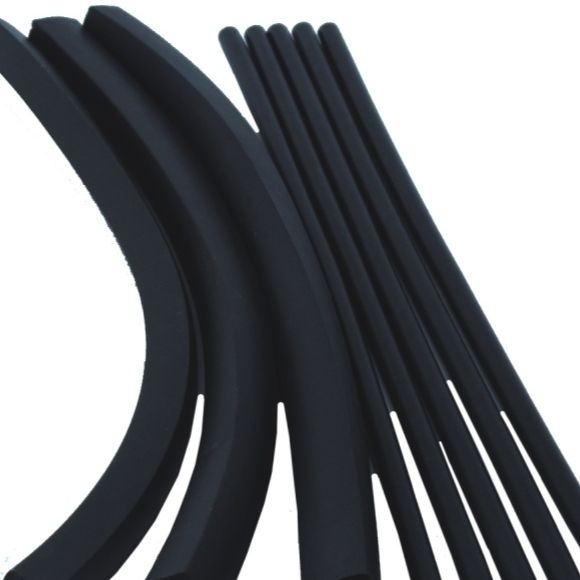
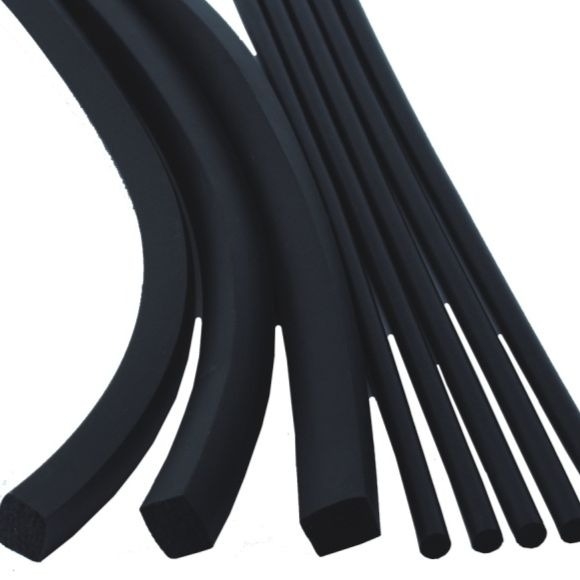
Rubber strips
Rubber seal strips
- Product Definition and Uses
- Foamed rubber strips are industrial protective components made of foamed rubber, combining cushioning, impact protection, and sealing functions. They are primarily used in the machine tool, sheet metal, and solar energy industries. Their core functions include absorbing impact energy, preventing liquid and gas leakage, protecting sheet metal edges, and reducing the risk of damage to equipment and structures during operation or installation.
- Compared to solid rubber strips, foamed structures offer superior compression resilience and sealing fit, making them particularly suitable for applications requiring cushioning or uneven contact surfaces.
- In what situations is it appropriate to use rubber foam shaped strips?
- In practical industrial and equipment applications, rubber foam profiled strips are particularly suitable for the following situations:
- 1. Equipment or structures requiring collision protection and cushioning
- 2. Joints needing to prevent liquid or gas leakage
- 3. Sheet metal edges needing protection to avoid scratching personnel or parts
- 4. Outdoor equipment or equipment exposed to UV radiation for extended periods
- 5. Standard sealing strips unable to fit uneven structures. The foamed structure can rebound after compression, improving sealing stability and service life.
- Structural and Material Design Specifications
- Customized rubber foam strips can be made in terms of materials and structure to suit different applications. Key design features include:
- 1. Main Material: Foam Rubber
- 2. Common Material Options (selectable based on requirements):
- 2-1. EPDM Foam Rubber (weather resistant, UV resistant, suitable for outdoor use)
- 2-2. EVA Foam Material (lightweight, excellent cushioning)
- 2-3. Other Special Foam Rubbers (temperature resistant, acid and alkali resistant)
- 3. Adjustable Design Parameters:
- 3-1. Cross-sectional shape and dimensions (width, thickness, irregular shapes)
- 3-2. Foam density and hardness
- 3-3. Color
- 3-4. Length and cutting method Custom mold production is available to ensure fit and functionality.
- Main advantages of rubber foam profiled strips
- Excellent cushioning and impact protection.
- Foamed structure enhances sealing and fit.
- Material can be customized to meet requirements for temperature resistance, UV resistance, and acid and alkali resistance.
- Cross-sectional shape, size, hardness, and color can all be customized.
- Suitable for long-term use in dynamic or static protective applications.
- Customized design and selection support
- Rubber foam shaped strips can be fully customized according to the customer's actual application conditions, including:
- 1. Industrial and working conditions (outdoor, oily, chemical environments)
- 2. Whether impact protection, sealing, or edge protection functions are required
- 3. Selection of foam material, density, and hardness
- 4. Cross-sectional shape, size, and color requirements
- 5. Installation method and compression design
- During the design phase, compression resilience, sealing effect, and durability will be evaluated simultaneously to ensure long-term stable use.
- Application Scope
- Common applications of shaped rubber foam strips include:
- 1. Protection and sealing of machine tools
- 2. Edge protection and impact prevention for sheet metal
- 3. Outdoor sealing of solar energy equipment
- 4. Joint and cushioning requirements of various industrial equipment
- Through appropriate design of shaped rubber foam strips, equipment safety, sealing performance, and overall reliability can be effectively improved.
- FAQ|Common Questions about Rubber Foamed Shaped Strips
- Q1: What is the difference between foamed rubber profiled strips and solid rubber profiled strips?
- A: Foamed rubber profiled strips offer compression resilience and cushioning, making them more suitable for impact protection and sealing of uneven surfaces.
- Q2: Can foamed rubber profiled strips prevent liquid and gas leaks?
- A: Yes, with appropriate foam density and cross-sectional design, they can provide good liquid and gas sealing.
- Q3: How to choose between EPDM and EVA foam materials?
- A: EPDM is suitable for outdoor and UV-resistant environments; EVA is suitable for applications requiring lightweight and good cushioning.
- Q4: Can the hardness and color of foamed rubber profiled strips be specified?
- A: Yes, the hardness, density, and color of foamed rubber profiled strips can be adjusted according to requirements.
- Q5: Which industries are particularly suitable for using foamed rubber profiled strips?
- A: Machine tool, sheet metal, and solar energy industries, as well as equipment requiring impact protection, sealing, and edge protection, are all highly suitable.