
Products
- Home
- Products
- Rubber strips
- Custom-designed rubber strips
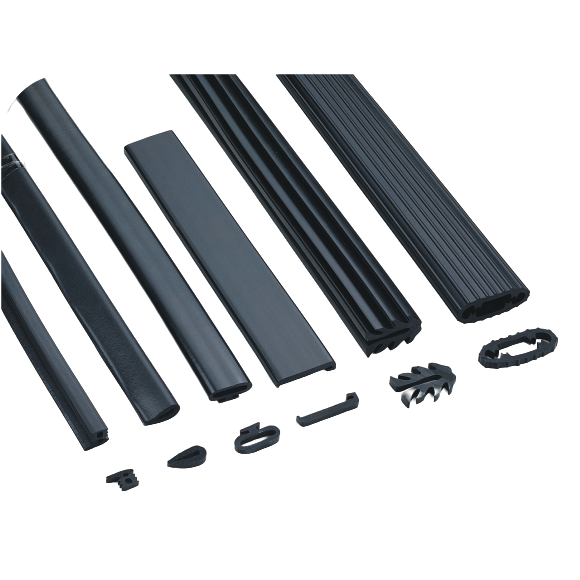
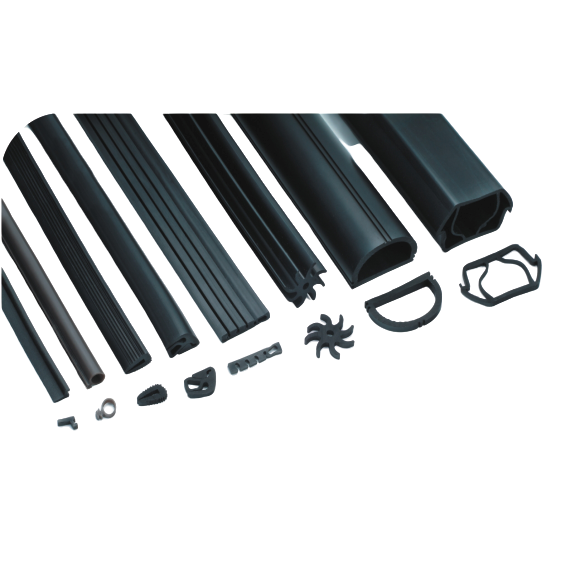
Rubber strips
Custom-designed rubber strips
- What are Customized Rubber Strips?
- Our Customized Rubber Strips are high-performance sealing and protective components manufactured through precision rubber extrusion molding. Designed to replace ill-fitting universal seals, these strips are engineered for the machine tool, sheet metal, and solar energy industries.
- By tailoring the cross-sectional geometry and material chemistry (EPDM/NBR), we provide a perfect fit that prevents liquid leaks, isolates oil contaminants, and protects sensitive sheet metal edges. Whether it's for UV-heavy outdoor solar arrays or oil-drenched CNC enclosures, our strips ensure a stable, long-term seal.
- Engineering Focus: Material Science & Profile Precision
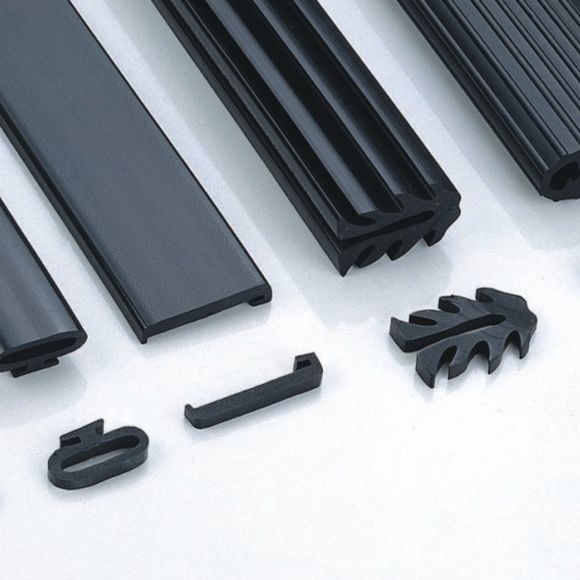
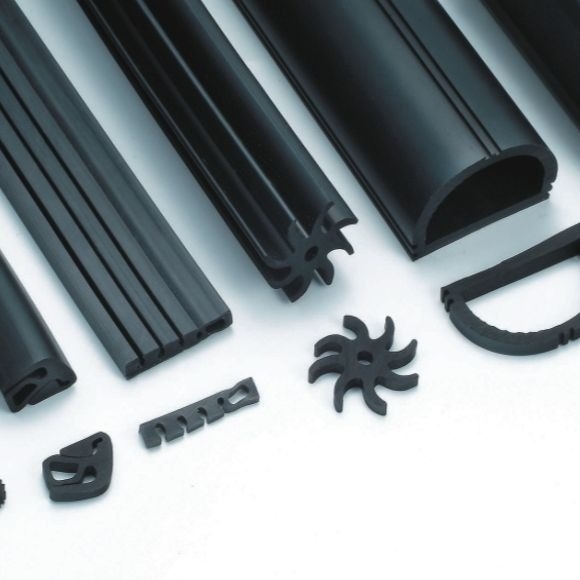
- 1. Precision Extrusion Profiles: We specialize in "non-standard" cross-sections. From simple U-channels and D-seals to complex multi-hollow geometries, our extrusion process ensures dimensional consistency across the entire length.
- 2. Specialized Material Selection:
- 2-1. EPDM: The gold standard for Weather & UV Resistance. Ideal for solar panels and outdoor enclosures where temperature fluctuations are extreme.
- 2-2. NBR (Nitrile): Engineered for Superior Oil Resistance. Perfect for machine tool doors and industrial sumps exposed to cutting fluids.
- 3. Adjustable Shore Hardness: We tune the rubber's hardness (Shore A) to balance compression set and sealing force, ensuring the strip is easy to install yet provides a hermetic seal.
- 4. Edge Protection & Aesthetics: Beyond sealing, our strips serve as critical safety barriers for sharp sheet metal edges, preventing personnel injury while providing a clean, professional finish to your equipment.
- Seamless Sealing Starts with Precision Profiles
- A leaking seal leads to equipment failure. Our technical team is optimized to review your cross-sectional designs and provide material proposals within [Insert Hours].
- 1. Solve Your Design Constraints: Dealing with a tight radius or an irregular joint gap? Our engineers specialize in reviewing CAD drawings or physical samples to recommend the optimal profile and hardness for your application.
- 2. Rapid Response Cycle: We value your operational health. Simply provide your dimensions or a simple sketch, and we will deliver the technical feedback and pricing you need to stay on schedule.
- FAQ|Common Questions about Custom Rubber Strips
- Q: Can you match a specific color for my equipment?
- A: Yes. While black is standard for maximum UV stability, we can customize colors to match your machine's branding or safety requirements.
- Q: What is the minimum order quantity for custom extrusions?
- A: We support both prototype development and mass production. Please specify your total length (meters) for a tailored quote.
- Q: Do I need a professional drawing to get a quote?
- A: A CAD drawing is ideal, but a clear hand-sketch with dimensions (Width, Height, Wall Thickness) or a photo of the mounting area is sufficient for our initial assessment.
- ⚡ For a Rapid Quote (Response within 24-48 hours):
- To help our engineers provide a precise proposal and quote in the first reply, please provide these 6 Key Details:
- 1. Cross-Sectional Profile (Mandatory): Please attach a Drawing (.dwg / .pdf) OR a Hand-sketch with Dimensions.
- 2. Key dimensions needed: Overall Width (W), Height (H), and Thickness (T).
- 3. Material & Environment:
- Material: (e.g., EPDM for outdoor/UV, NBR for oil-resistance).
- Hardness: (e.g., Soft/Sponge or Hard/Solid rubber).
- 4. Installation Method:(e.g., Clip-on, Self-adhesive backing, or Groove-mounted).
- 5. Quantity:Total Length Required: (In $meters$ or $rolls$).
- 6. Technical Support Needs:Do you require a Material Data Sheet or assistance with Radius flexibility?
(1).png)