
Products
- Home
- Products
- Telescopic spring covers
- Telescopic spring covers
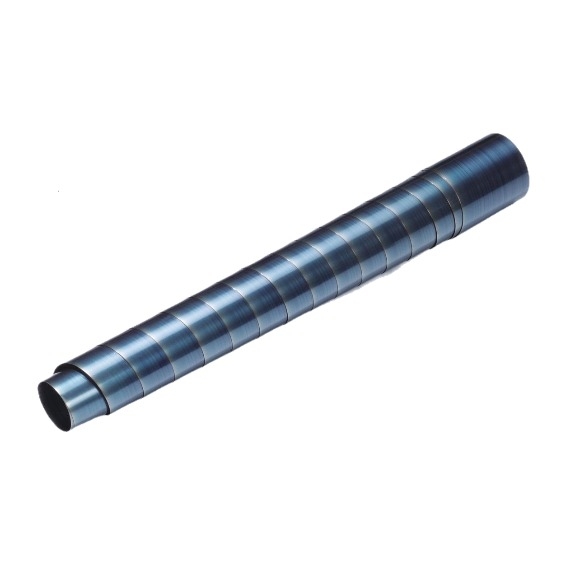
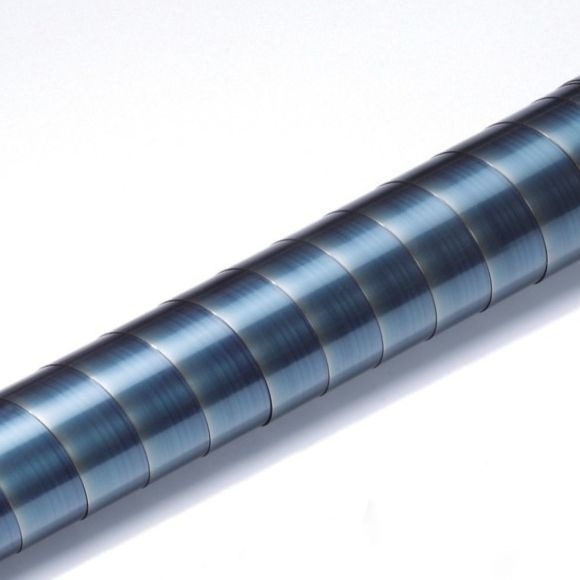
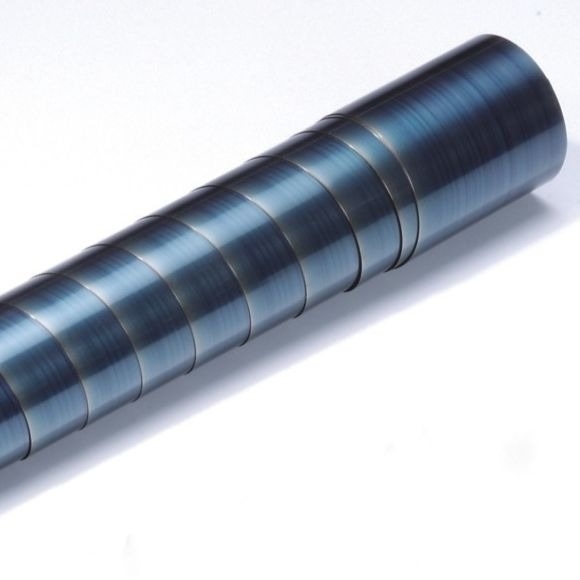
Telescopic spring covers
Telescopic spring covers
- We provide dust and chip prevention solutions for transmission components such as lead screws, ball screws, hydraulic cylinders, and pneumatic cylinders.
- What is a telescopic spring cover? How to solve the problems of screw dust and metal filings?
- Telescopic spring covers are protective devices fitted onto the exterior of transmission components such as lead screws, ball screws, lathe ball screws, hydraulic cylinders, pneumatic cylinders, and precision mold bases. When the equipment undergoes axial reciprocating motion, the insert expands and contracts synchronously with the stroke, preventing dust, metal shavings, cutting oil, and other foreign matter from entering the transmission component. This avoids wear, jamming, or decreased precision of the screw threads due to foreign object intrusion.
- Telescopic spring covers are also suitable for protecting screws with long strokes. A standardized dimensional reference table (including inner diameter, outer diameter, maximum tensile length, and minimum compressive length) is provided to facilitate selection of the appropriate model based on equipment specifications, shortening selection and installation time.
- What is the most fatal flaw of ball screws? How can telescopic spring covers solve production line pain points?
- When lathes, machining centers, or precision mold bases are in operation, transmission components often face the following serious threats:
- Intrusion of fine iron filings and hard dust:
- The nut of a ball screw is filled with precision steel balls. When fine iron filings, polishing dust, or grinding wheel shavings bypass the general scraper and enter the nut, they can directly jam the steel balls, causing the screw to seize or severely scratch the guide rails.
- Impact damage to the hydraulic/pneumatic cylinder shaft:
- During the reciprocating motion of the piston rod, the exposed shaft is highly susceptible to accidental impacts from external workpieces or tools. Once dents or scratches appear on the surface, the oil seals will be damaged, leading to oil and air leaks and eventual failure.
- Time-consuming cleaning and maintenance, rapid lubricant depletion:
- If iron filings adhere to the screw lead grooves, personnel must frequently stop the machine for manual cleaning. Furthermore, the attached foreign matter will absorb and contaminate the lubricating grease, significantly shortening the maintenance cycle.
- Metal telescopic spring cover bushing material: SK5 spring steel sheet
- Megus metal screw inserts are made of SK5 spring steel sheets, possessing excellent elastic recovery and fatigue resistance. They can withstand repeated expansion and contraction over extended periods without easily deforming, and are also rust-proof and wear-resistant, making them suitable for long-term use in cutting, oily, and dusty environments.
- 5 Advantages of Megus Metal Screw Inserts:
- 1. Completely prevents foreign object intrusion: Effectively prevents iron filings, dust, and debris from entering the screw and transmission components, reducing the failure rate.
- 2. Maintain transmission accuracy and extend service life: Reduces wear caused by foreign objects, maintaining accurate reciprocating operation.
- 3. Impact resistant and does not experience elastic fatigue: Protects the screw body from external impact damage, maintaining stable elasticity even after long-term use.
- 4. Neat appearance and reduced risk of entanglement: The insert covers exposed transmission parts of the equipment, balancing safety and aesthetics.
- 5. Saves maintenance time: Because iron filings do not easily adhere, it significantly reduces the time and labor costs required for equipment cleaning, maintenance, and lubrication.
- Application range of metal telescopic spring covers
- Megus metal screw inserts are widely used in the following equipment and transmission components:
- 1. Lead screws
- 2. General ball screws, lathe ball screws
- 3. Hydraulic cylinders, pneumatic cylinders
- 4. Precision mold bases
- 5. Other axial transmission equipment requiring long-stroke dust and chip protection
- Installing metal screw inserts effectively prevents dust, metal chips, and foreign objects from entering the screw, avoiding impacts on equipment accuracy and lifespan. They are particularly suitable for working environments with high levels of metal chips and dust, such as machining and stamping processes.
- Why choose Megus metal telescopic spring covers?
- Since its establishment on October 27, 1989, Megus has focused on the design and manufacture of metal sheaths, accumulating over 36 years of industry experience. Currently, its monthly production capacity is stable at over 100 pieces. Megus provides standardized size charts and customized selection services to help customers select the appropriate sheath specifications based on their actual equipment needs (inner diameter, outer diameter, tensile and compressive distance), reducing the risk of selection errors and downtime.
- Frequently Asked Questions (FAQ)
- Q1: What's the difference between metal screw inserts and plastic/rubber inserts? Metal screw inserts are made of SK5 spring steel sheets, offering better impact resistance, fatigue resistance, high-temperature resistance, and oil resistance. They are suitable for harsh environments with a lot of metal shavings, such as machining. Plastic or rubber inserts are more suitable for light-load, dusty environments.
- Q2: What length of screw can metal screw inserts be used on? Metal screw inserts come with a standardized size chart covering different inner and outer diameters, maximum tensile and minimum compression distances. They are also suitable for long-stroke screws. It is recommended to select the appropriate model based on the actual equipment specifications.
- Q3: Will the equipment maintenance frequency change after installing metal screw inserts? Yes. Because metal shavings are less likely to adhere to the insert surface, the time required for equipment cleaning, maintenance, and lubrication can be significantly reduced, while also extending the screw's lifespan.
- Q4: What equipment is metal screw insert suitable for? Mainly used in axial transmission equipment requiring dust and chip protection, such as lead screws, general ball screws, lathe ball screws, hydraulic cylinders, pneumatic cylinders, and precision mold bases.
- Q5: How to choose the appropriate sleeve specification for your equipment? You can select the model based on the inner and outer diameters of the screw, as well as the maximum extension and minimum compression distance required by the equipment stroke, referring to the specification table. If unsure, you can provide your equipment parameters for Megus to assist in confirming the appropriate specification.
Telescopic Spring Covers & Guards
.jpg)
.png)
Telescopic Spring Covers & Spring Guards for Lead Screws
Telescopic spring covers are spring-loaded, self-retracting guards that protect lead screws, ball screws, shafts, and spindles from chips, coolant, and dust. Built around a tempered steel coil spring sheathed in a protective skin, MEGUS telescopic spring covers extend and compress automatically with the machine's motion, keeping contamination off threaded and polished surfaces without adding bulk. They are an ideal, low-profile alternative to fabric bellows wherever mounting space is tight.On many machines the lead screw or feed shaft sits close to the cutting zone, where it is showered with hot chips and coolant. Left unprotected, that debris packs into the threads, accelerates wear, and degrades feed accuracy. A spring-based guard wraps the shaft completely yet collapses into a very short stack, making it the practical choice where a bulky cover simply will not fit.
How Telescopic Spring Guards Work
A telescopic spring guard uses a tempered steel spring as its skeleton. As the axis moves, the spring compresses into a short stack and then springs back to full length, so the protected shaft stays covered throughout the stroke. Because telescopic spring guards return under their own spring force, they need no external take-up mechanism, mount quickly, and operate quietly through millions of cycles. The protective skin bonded to the spring keeps swarf and coolant from passing between the coils.Materials and Options
- Tempered steel spring core for long fatigue life and consistent return force
- Protective skins in PVC-coated fabric, leatherette, or nylon to suit coolant and oil exposure
- Optional metal end caps and flanges for secure, repeatable mounting
- Custom inner and outer diameters, compressed length, and extended length
Spring Covers Versus Fabric Bellows
Choosing between a spring guard and a fabric bellows comes down to space and motion. A fabric bellows is excellent on rectangular guideways and longer flat axes, but on a slim round shaft or a lead screw in a crowded housing, the spring design wins: it hugs the shaft, collapses to a fraction of its extended length, and adds almost no diameter. Because the steel coil provides its own return force, the guard stays taut and never sags into the moving parts, even when mounted vertically. For shops retrofitting protection onto a compact axis that was originally left bare, the spring style is usually the only cover that fits without redesigning the machine.Benefits of MEGUS Telescopic Spring Covers
- Compact, low-profile protection where bellows will not fit
- Self-retracting design needs no separate take-up or guide mechanism
- Shields lead screws and shafts from swarf, dust, and coolant
- Smooth, quiet operation at high cycle rates