
Products
- Home
- Products
- Bellows way covers
- Telescopic bellows covers
Bellows way covers
Telescopic bellows covers
- What is a telescopic type bellows cover?
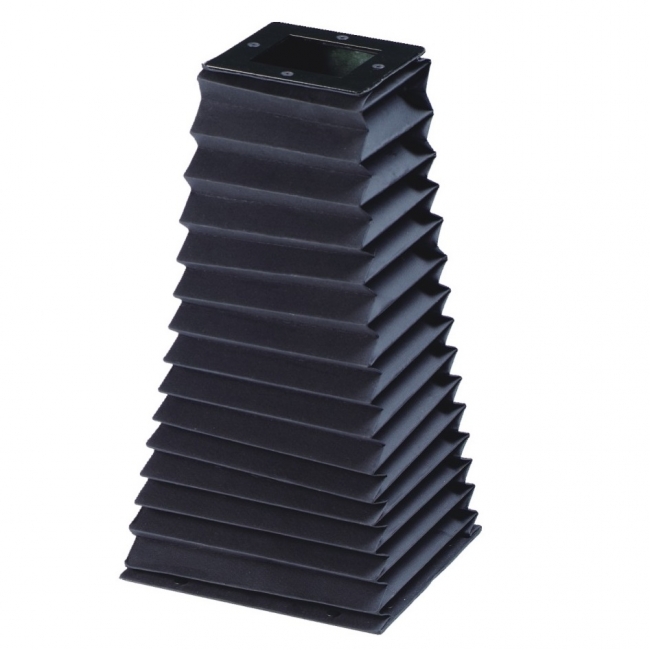
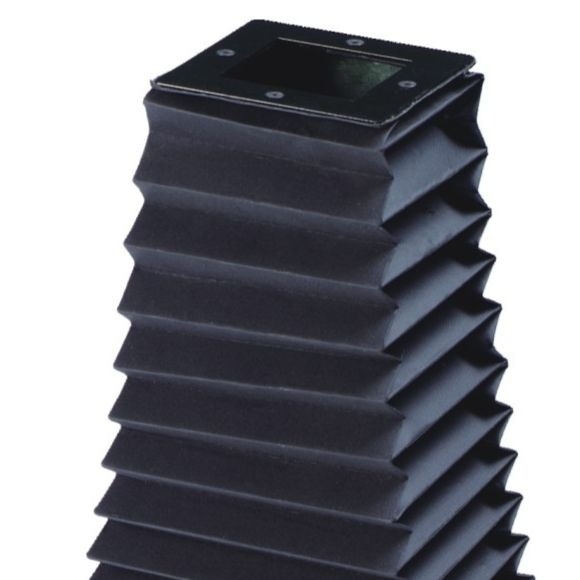
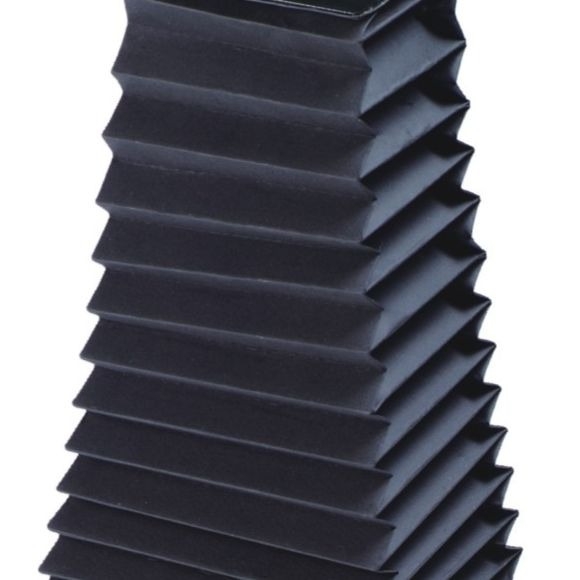
- The quadrangular pyramid dust boot (also known as the quadrangular pyramid dust boot, retractable dust boot) is a customized protective element made of rubber and plastic leather as the main body, with metal sheet metal flanges on the front and rear. It is mainly used to solve two types of problems:
- 1. Mechanism dust prevention: Avoid dust, oil, and foreign objects from falling into the high-compression-ratio lifting platform during telescopic operation, affecting the operation of the mechanism or shortening the life of the equipment.
- 2. Light path protection: The light-shielding structure used in customized traditional cameras can be 100% light-proof according to needs, ensuring that the image quality is not interfered by external light.
- We will choose different leather materials according to the customer's equipment type, usage environment and compression size. All materials used can comply with the EU RoHS environmental regulations.
- Main application scenarios
- 1. High compression ratio lifting platform to prevent dust
- The outer layer of the telescopic structure installed on the lifting platform moves synchronously with the compression and extension of the mechanism to prevent foreign objects from falling into the internal tracks or transmission components, reducing the failure rate and extending the service life of the equipment.
- 2. Customized traditional camera shading (100% light-proof requirement)
- It is used for external protection of the camera's optical path structure to block the entry of ambient light sources and ensure that imaging is not interfered by light leakage. It is suitable for customized shooting equipment that requires strict optical accuracy.
- 3. Protection of other special industrial equipment
- Any customized chemical industrial equipment that requires retractable dustproof, oilproof, waterproof, and light-shielding requirements can be customized based on the structural principle of the quadrangular pyramid dust jacket.
- Materials and manufacture methods
- Part | Material | Description
- Main body |Rubber and plastic leather material |Selected according to usage conditions such as weather resistance, oil resistance, acid and alkali resistance, etc.
- Front and rear flanges | Sheet metal | Provide structural strength and stable installation interface
- Lining (optional)|Light-shielding materials, thermal insulation materials, etc.|Added according to customer’s requirements for light and temperature protection
- The material selection will be adjusted based on the actual use environment (indoor and outdoor, temperature and humidity, chemical exposure risk) and equipment life goals to ensure that the dust cover maintains protective effectiveness despite repeated expansion and contraction over a long period of time.
- Product advantages
- 1. Multiple protection: oil-proof, waterproof, dust-proof, acid and alkali resistance, anti-static, anti-UV
- 2. Customizable specifications: temperature resistance level and IP protection level can be specified according to needs
- 3. Comply with environmental regulations: commonly used materials pass EU RoHS regulations
- 4. Fully customized production: installation dimensions, compression dimensions, usage environment, and service life can all be adjusted according to drawings or needs.
- 5. Wide range of applications: suitable for high compression ratio lifting equipment, customized camera shading, and other special industrial protection areas
- Why choose us
- 1. Customization experience: We have long been responsible for special industrial protection needs such as dustproofing of lifting platforms and camera shading, and are familiar with the tolerances and environmental conditions requirements of different industries.
- 2. One-stop service process: from specification discussion, sample verification to mass production supply, the entire process can be traced
- 3. Regulations and quality control: Commonly used materials comply with RoHS specifications, and temperature resistance and IP grade test basis are provided according to customer requirements.
- 4. Flexible customization capabilities: Non-standard sizes and special material combinations can be discussed based on drawings or samples.
- Frequency Asked Questions FAQ
- Q1: Can the square pyramid dust cover really be 100% light-proof? A: Yes. In response to the shading requirements of customized traditional cameras, we will install special shading materials according to the optical path structure, and verify the opaque effect according to customer specifications.
- Q2: Can the temperature resistance level and IP protection level be customized? A: Yes. The temperature resistance grade and IP grade of the dust jacket can be specified according to the actual use environment (such as high-temperature production lines, outdoor environments).
- Q3: Does the material comply with environmental regulations? A: Our commonly used leather and sheet metal materials can meet the requirements of EU RoHS regulations and are suitable for use in equipment exported to the EU market.
- Q4: Can the size be customized based on the existing equipment drawings? A: Yes. The installation dimensions and compressed dimensions can be customized and prototyped according to the drawings or equipment specifications provided by the customer.
- Q5: How long does the prototyping and mass production process take? A: It depends on the complexity of the specifications and material selection. It is recommended that the actual proofing and delivery schedule be confirmed by the business window after providing drawings or required specifications.
- Send an inquiry now
- If your equipment has lifting platform dustproofing, camera light shielding or other special industrial protection requirements, please provide equipment drawings or specifications, and we will assist in evaluating the most suitable customized solution for the quadrangular pyramid dust jacket.
(1).jpg)