
Products
- Home
- Products
- Bellows way covers
- Flat type bellows way covers
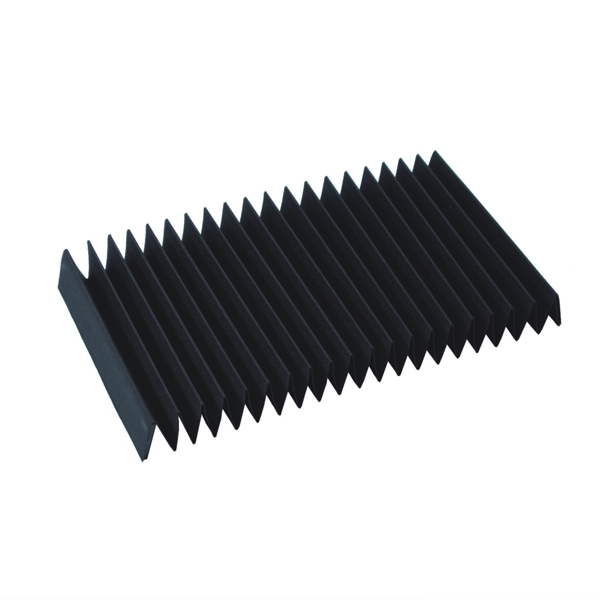
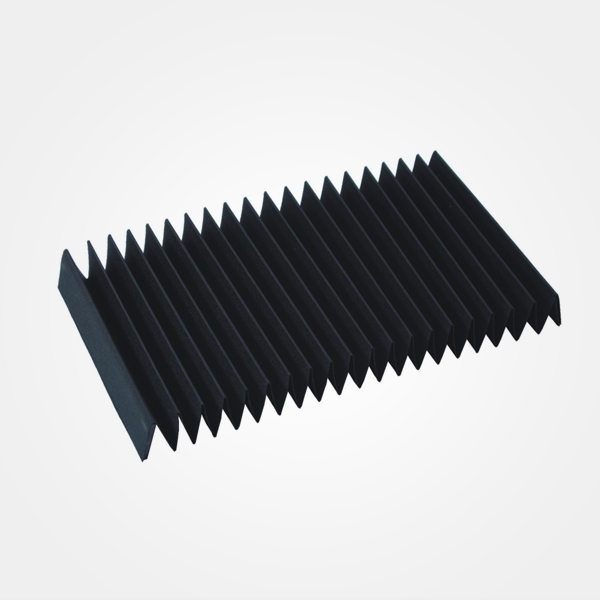
Bellows way covers
Flat type bellows way covers
- What is a single-piece dust cover? Why does the equipment need it?
- When precision machining equipment such as machine tools, laser cutting machines, and semiconductor equipment is in operation, the transmission rails are constantly exposed to cutting dust, oil, and moisture, which can easily lead to decreased spindle movement accuracy and accelerated wear, ultimately affecting machining quality and equipment lifespan.
- The one-piece dust cover is a protective component designed to solve this problem. Installed on the equipment's transmission rails, it extends and retracts synchronously with the spindle's reciprocating motion, forming a physical barrier that allows the spindle to maintain smooth, high-precision movement while effectively extending the equipment's lifespan.
- Customized design and manufacturing services can be provided based on customer requirements for compression dimensions, extension/compression length, and leather material.
- Material and Structure: How to Choose the Right Dust Cover?
- The structure of a single-piece dust cover mainly consists of three parts, with the materials for each part selected according to the usage environment and protection requirements:
- Part | Material | Function
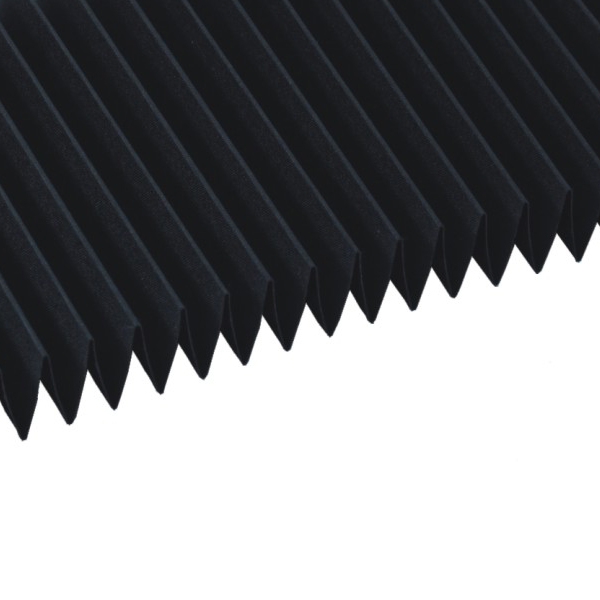
- Main Leather | Rubber/Plastic Leather | Main protective layer, selectable based on temperature resistance, acid/alkali resistance, cleanroom rating, etc.
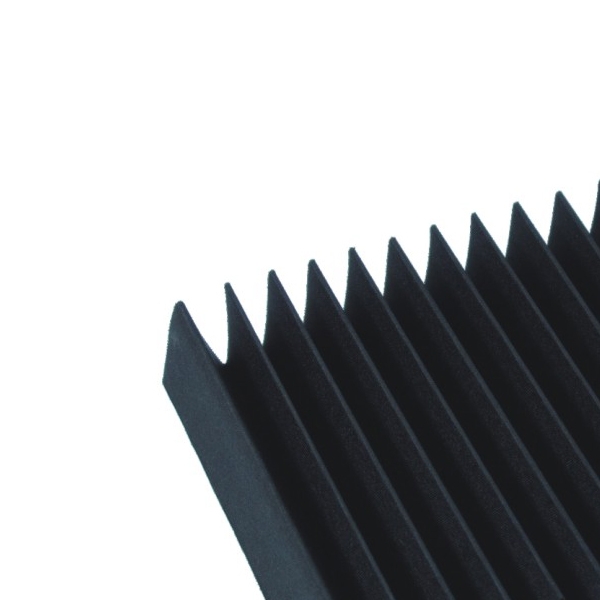
- Front and Rear Sheet Metal Flanges | Black Iron or Stainless Steel | Secures the dust cover and enhances structural stability
- Internal Accessories | Customized special structure based on usage environment | Added according to customer equipment requirements to improve operational stability and durability
- We will assist in assessing and recommending the most suitable leather material combination based on the customer's actual needs for compression size and usage environment (such as high temperature, dust concentration, acid/alkali environment) to ensure the dust cover maintains its protective effect during long-term use.
- Five protective advantages of the one-piece dust cover
- • Oil, water, and dust resistant: Prevents oil, water vapor, and dust generated during processing from entering the tracks.
- • Acid and alkali resistant, antistatic: Suitable for environments with high cleanliness requirements, such as semiconductor and electronic equipment manufacturing.
- • UV resistant: Delays material aging and maintains long-term stability.
- • Customizable temperature and cleanroom ratings: Tailor-made to production line environment specifications.
- • Protects precision and extends lifespan: Reduces track wear and maintains long-term processing accuracy.
- Application scenarios: Which devices are suitable for installing a straight dust cover?
- Single-line dust covers are widely used in the following equipment types:
- • Traditional machine tools, CNC machine tools
- • General machining equipment
- • Precision measuring instruments
- • Electronic instruments and devices
- • Semiconductor manufacturing equipment
- • Laser cutting machines
- Installing single-line dust covers effectively prevents dust and particulate matter from entering the machine, avoiding any impact on the machine's precision and appearance. It is a key protective component for extending equipment life and reducing maintenance costs.
- Frequently Asked Questions (FAQ)
- Q1: Can the single-piece dust cover be fully customized? Yes. We can customize dust covers to specific specifications based on the installation dimensions, compression/extension length, and environmental conditions provided by the customer, and assist in suggesting the most suitable leather material.
- Q2: Will the material of the dust cover affect the protective effect? Yes. Different leather materials perform differently in terms of temperature resistance, acid and alkali resistance, antistatic properties, and cleanroom class. The appropriate material must be selected based on the actual usage environment (e.g., semiconductor cleanroom, high-temperature production line) to achieve the best protective effect.
- Q3: How often should the dust cover be replaced? The service life depends on the material selection, usage environment, and operating frequency. We will recommend suitable materials and specifications based on the customer's usage conditions to extend the replacement cycle and reduce maintenance costs.
- Q4: What equipment is the single-piece dust cover suitable for? It is suitable for machine tools, CNC equipment, laser cutting machines, measuring instruments, electronic and semiconductor equipment, etc. It can be installed on any precision equipment with track-driven requirements and needing dust and oil protection.
.png)